Nanomaterials In Aerospace Applications
Also included in the report are the projected cost and market evolution of each material technology timelines of possible industrial applications and a list of companies and. Mechanical or electrical properties or that deliver multi-functional properties eg.
.jpg)
Nanotechnology In Aerospace Materials
Applications in aerospace General.
Nanomaterials in aerospace applications. Rocket science would appear to be a natural starting point for the application of engineered nanomaterials. Identifies several areas of aerospace nanomaterial development including polymers with carbon nanoparticlesfillers and the level of technological readiness for each. Advanced Nanomaterials for Aerospace Applications.
The aerospace applications for nanotechnology include high strength low weight composites improved electronics and displays with low power consumption variety of physical sensors multifunctional materials with embedded sensors large surface area materials and novel filters and membranes for air purification nanomaterials in tires and brakes and numerous others. Scientists and engineers from several NASA field centers and the Jet Propulsion Laboratory University of Puerto Rico The Pennsylvania State University and INFN-Laboratori Nazionali di Frascati Italy have joined efforts to discuss the applications of. Nanomaterials are utilised in the aerospace industry for improved or tailored properties that improve their functional performance eg.
Ultimately the maturity and scalability of nanomaterials will change the way we engineer aircraft spacecraft satellites and planetary rovers. By Carlos Cabrera and Felix Miranda Drs. Advanced Nanomaterials for Aerospace Applications has been developed for a community interested in space science and nanotechnology.
It is Equally suitable for UPSC AIME and all other. Graphene is two-dimensional 2D nanomaterial with extended network of benzene rings it is stronger than stainless steel and has high conductivity. Unlike other historical materials innovations catalyzed by aerospace and defense such as carbon-fiber-reinforced polymers innovation in nanomaterials is a global concern with other commercial applications such as medicine and energy driving advancements.
Njuguna and Pielichowski 2003 investigated experimentally the mechanical thermal electronic and optical properties of polymer nanocomposites. Aerospace applications have historically been a driver of advanced materials from reinforced carbon-carbon thermal protection systems of space reentry vehic. Engineered nanomaterials provide substantial improvements for structures and nonstructural components of almost.
This book represents an extensive collection of up-to-date studies that encourage the use of carbon-based nanostructures to solve a. Scientists and engineers from several NASA field centers and the Jet Propulsion Laboratory University of Puerto Rico The Pennsylvania State University and. Carbon fiber composites with the addition of nanoparticles can considerably improve the composite properties.
Advanced Nanomaterials for Aerospace Applications written to meet exhaustively the requirements of various syllabus in the subject of the courses in BE BTech BSc Engineering of various Indian Universities. Cabreras and Mirandas work at the NASA-sponsored Center for Advanced Nanoscale Materials has been spectacular. Managing the Impact of Nanomaterials in Aerospace Manufacturing As the aerospace industry continues to make improvements to safety comfort and affordability of aircraft nanomaterials are making their way into more elements of aircraft structure.
Regarding current aerospace applications some of these allotropes are already being mixed with polymers to form composites with enhanced mechanical electric and thermal properties. The thermal transport of graphene is flourishing area of research especially for the use in thermal management applications. The lightweight and high-strength properties of nanomaterials and fast operating speeds of nanoelectronics are currently being examined to support aerospace applications.
Nanomaterials having higher energy efficiency specific strength stiffness damage tolerance ductility and stability in extreme environments are mainly used in aerospace automobiles and sport applications.

Nanotechnology

Nanotechnology In Space
Difference Between Nanotechnology And Nanoscience Difference Between


Nanomaterials Market Size Share Industry Forecast 2014 2022
Nanomaterials And Nanocomposites Characterization Processing And Ap

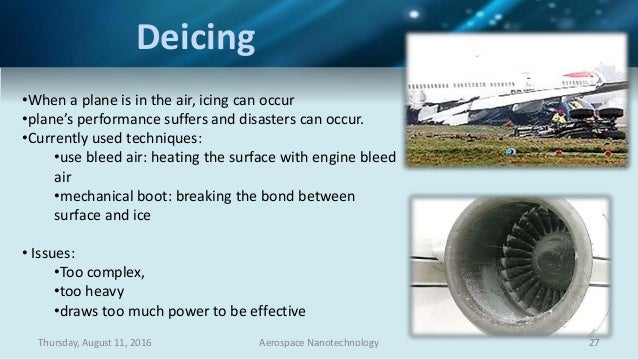
Aerospace Nanotechnology
.jpg)
Using Nanomaterials For Aerospace Engineering
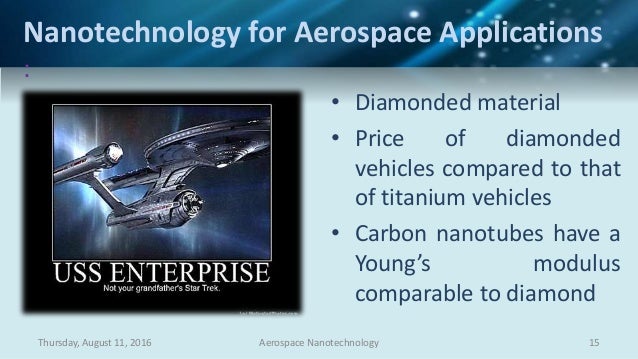
Aerospace Nanotechnology
.jpg)
Nanotechnology In Aerospace Materials
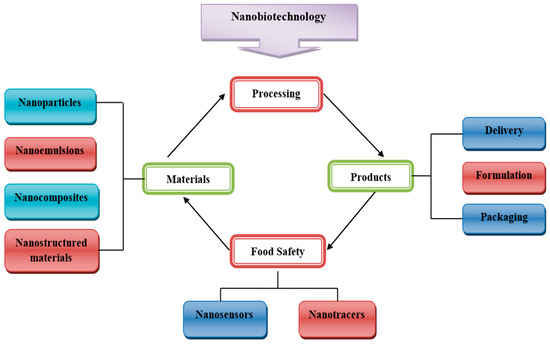
Foods Free Full Text An Overview Of The Applications Of Nanomaterials And Nanodevices In The Food Industry Html
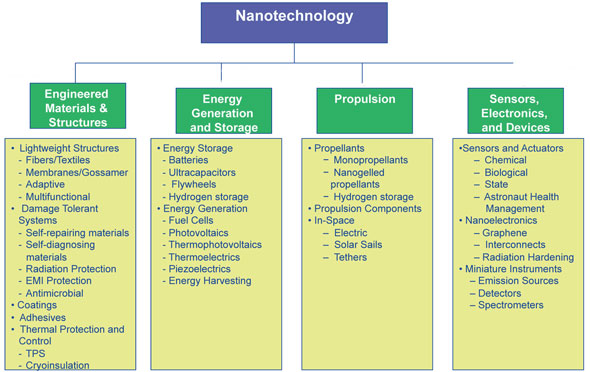
Nasa And Nanotechnology
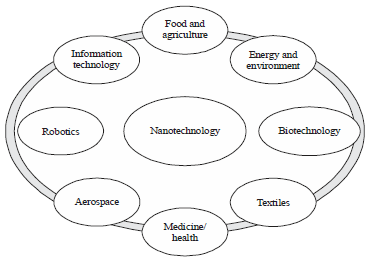
Nanobiotechnology Advances In Medicine Agriculture And Other Important Areas Applications And Future Perspectives Scialert Responsive Version
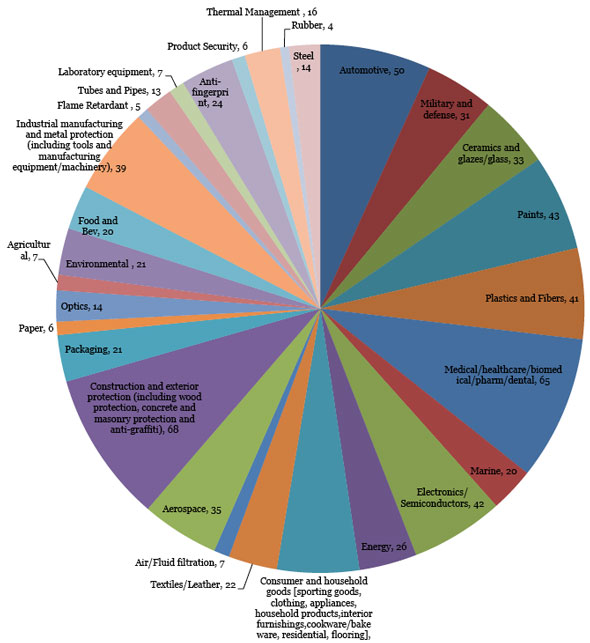
Application Charts For Nanoclays Graphene And Nanocoatings
Http Www Uc Edu Content Dam Refresh Cont Ed 62 Olli Olli Docs Nano Meta Materials Pdf
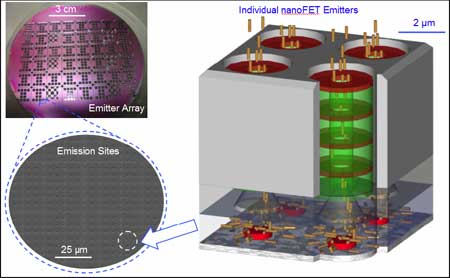
Nanotechnology In Space
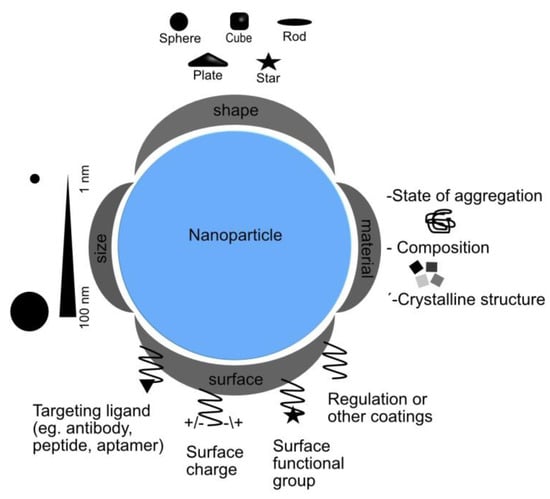
Nanomaterials Free Full Text Interactions Of Nanoparticles And Biosystems Microenvironment Of Nanoparticles And Biomolecules In Nanomedicine Html
Nanomaterials Manufacturing Processing And Applications Part 1 Nanotechnology
Aerospace Nanotechnology
Nanotechnology And The Future Of Advanced Materials
.jpg&description=Nanomaterials In Aerospace Applications)
Posting Komentar untuk "Nanomaterials In Aerospace Applications"